
AI
AI vs Jobs: Is the Future Human or Machine?
How AI is transforming jobs—what's at risk, what’s being created, and how you can adapt to thrive in the future of work.
Last updated
Will AI take over jobs, or just change how we work? That is the question most students and professionals are asking right now, and the honest answer is closer to the second one than the first.
Automation has historically removed tasks rather than whole occupations. What is different about this wave is that it reaches cognitive work: writing, analysis, and pattern recognition. That changes who is exposed, but it also changes what is in demand.
Jobs AI Is Creating
Demand has appeared for roles that did not exist a decade ago:
- AI engineers and machine learning developers
- Data scientists and analysts
- Prompt and context engineering
- AI model trainers and evaluators
- AI ethics, safety and governance specialists

Jobs Most Exposed to Automation
The work most at risk shares a common trait: it follows a predictable, repeatable rule set.
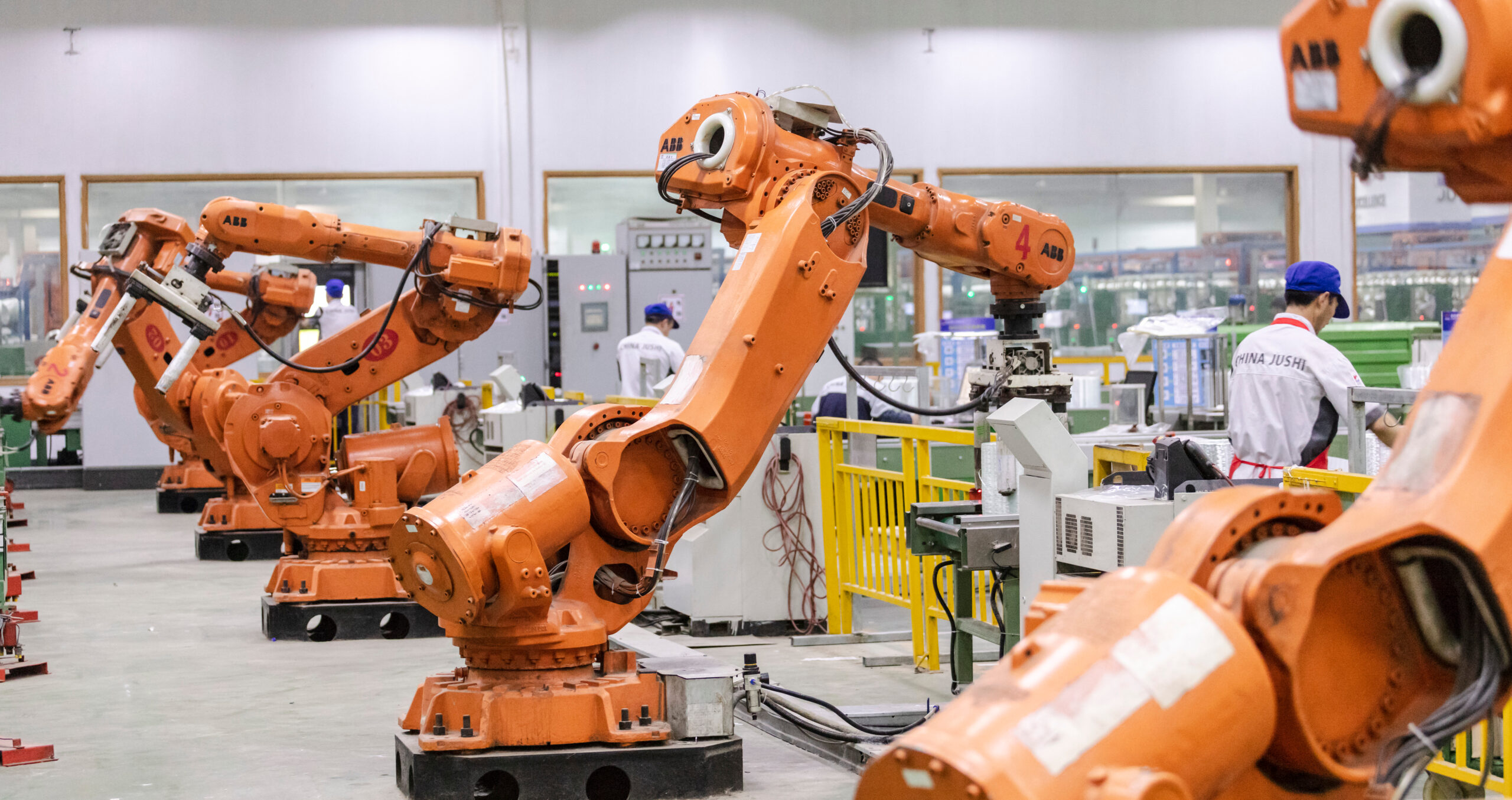
- Manufacturing and assembly
- Basic, script-driven customer support
- Manual data entry
- Retail checkout
- Driving and delivery, as self-driving matures
How the Workforce Is Adapting
Workers who stay relevant are not competing with models; they are working alongside them:
- Reskilling through online courses in AI, data and software
- Hybrid roles that pair domain knowledge with tooling
- Deliberately building human-first skills such as leadership, negotiation and empathy

What AI Cannot Replace (Yet)
Current systems still fall short where work is genuinely social or genuinely novel:
- Emotional intelligence and care
- Original creative direction, as opposed to remixing existing output
- Moral judgement and accountability for decisions
- Complex, high-stakes communication

So Should We Be Worried?
Worry is a reasonable response to change, but it is not a strategy. The practical version of "adapt" is small and repeatable:
- Keep learning, in the specific area you already work in.
- Use AI tools on real tasks, so you know their limits as well as their strengths.
- Back that up with support for sensible AI policy, because governance is not optional at this scale.

Final Thoughts
"AI won't replace you. But someone using AI might."
The question is not whether AI will take your job. It is whether you will learn to work with it. If you want to go deeper on any of these areas, the skills and projects pages on this site show what I am building, and you can reach out directly.
Share this post

Written by Mohammad Shihab Hossain
Computer Science student at American International University-Bangladesh, writing about artificial intelligence, cybersecurity and software engineering from the perspective of someone still learning them.
Get in touch